+34 912901845 +34 654503682

$message.operated_by, $message.partner

Mediterranean Cruises

from Southampton

HISTORY

History

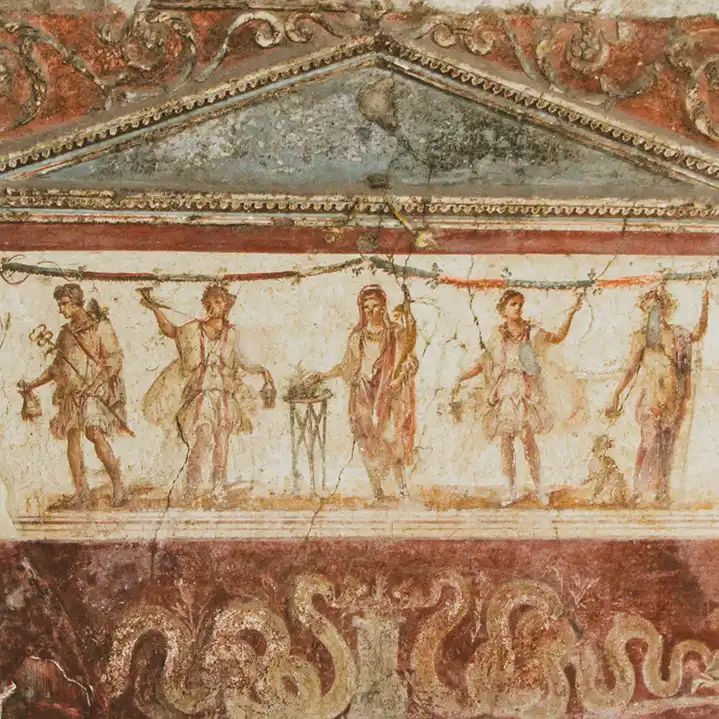
The Mediterranean has witnessed the evolution of civilizations that have marked the history of humanity. From the first Egyptian and Phoenician cultures to the rise of the Greek and Roman empires, this sea was the epicenter of trade, navigation, and cultural exchange between three continents: Europe, Asia, and Africa.


Trade routes made it a melting pot of ideas, religions and technology, while its port cities, such as Alexandria, Carthage and Rome, flourished as centers of power.


Over the centuries, the Mediterranean was also the scene of wars and conquests, but it always maintained its role as a bridge between cultures and civilizations.


FOOD

Food

The famous "Mediterranean diet" reflects the eating habits typical of this region, where local ingredients and simple cooking methods combine with a focus on health and balance.


In Spain, tapas, paellas and fresh seafood stand out, while in Italy pasta, risotto and olive oil are essential. Greece offers a diet based on fish, salads with feta cheese and dishes like moussaka. Turkey combines exotic spices in dishes like kebab and mezze.


The use of fresh ingredients such as olive oil herbs legumes fish and wine is a common thread throughout the region promoting a balanced tasty and healthy diet recognized worldwide.

THE MOST VISITED PORTS

The most visited ports

On a cruise through the Mediterranean you can discover a variety of iconic destinations that reflect the cultural and scenic richness of the region:


- Barcelona, with its vibrant urban life and the majestic work of Gaudí.
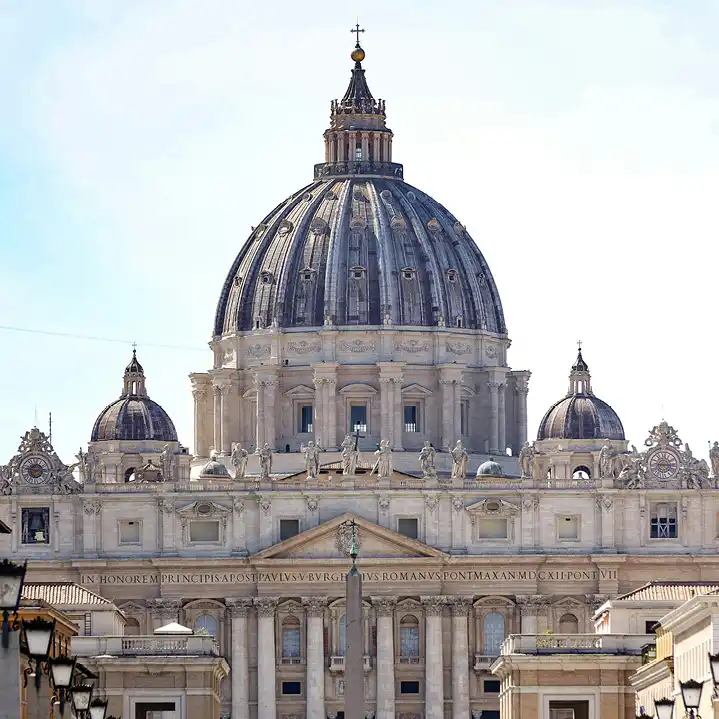
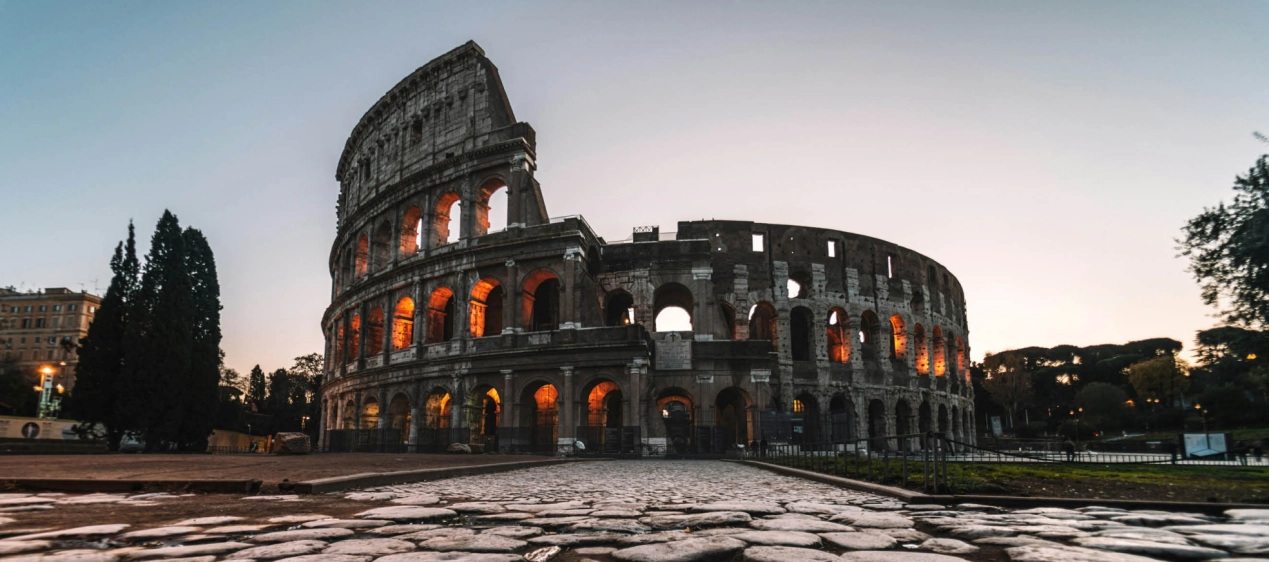
- Rome, cradle of Western civilization, where the Colosseum and the Vatican impress at every step.
- Athens, home of the ancient Acropolis and the Parthenon.
- Istanbul, with the impressive Hagia Sophia and the bustling Grand Bazaar.
- Florence, full of art and architecture, such as the Duomo and the Uffizi Gallery.
- Santorini, with white houses and blue domes with impressive views of the Aegean Sea.

CLIMATE

Climate

The Mediterranean climate is characterized by warm and dry summers, ideal for enjoying beaches, and mild and humid winters, perfect for exploring historic cities. With precipitation concentrated in autumn and spring and moderate temperatures, they make it an ideal destination all year round.

CURRENCY

Currency

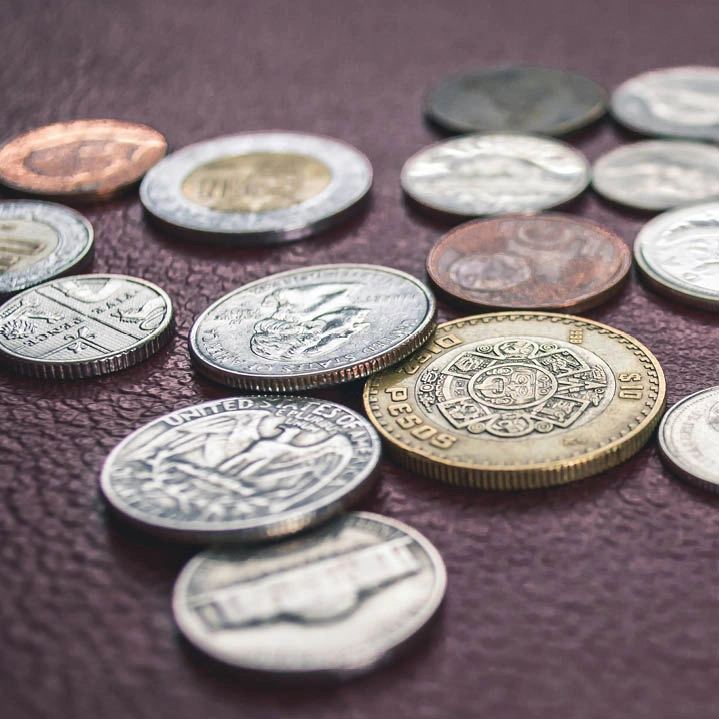
In Mediterranean countries, the main currencies of exchange include:

1. Euro (EUR): Used in most countries of the eurozone, such as Spain, Italy, France, and Greece.2. Pound sterling (GBP): Used in the United Kingdom.3. Dinar (TND): Currency of Tunisia.4. Dirham (AED): Used in Morocco.5. Turkish lira (TRY): Used in Turkey.6. US dollar (USD): Common in international transactions and in some tourist places.

CURIOSITIES

Curiosities

- Rome and The Colosseum: The gladiators not only fought; they also performed shows with exotic animals. This impressive amphitheater had a sophisticated system of elevators and trapdoors that amazed spectators, creating an exciting and dramatic atmosphere.


- Barcelona and The Sagrada Familia: still under construction, has been financed only by private donations. Antoni Gaudí dedicated more than 40 years to this project, and every architectural detail reflects his spiritual vision and connection with nature, making it a symbol of the city.


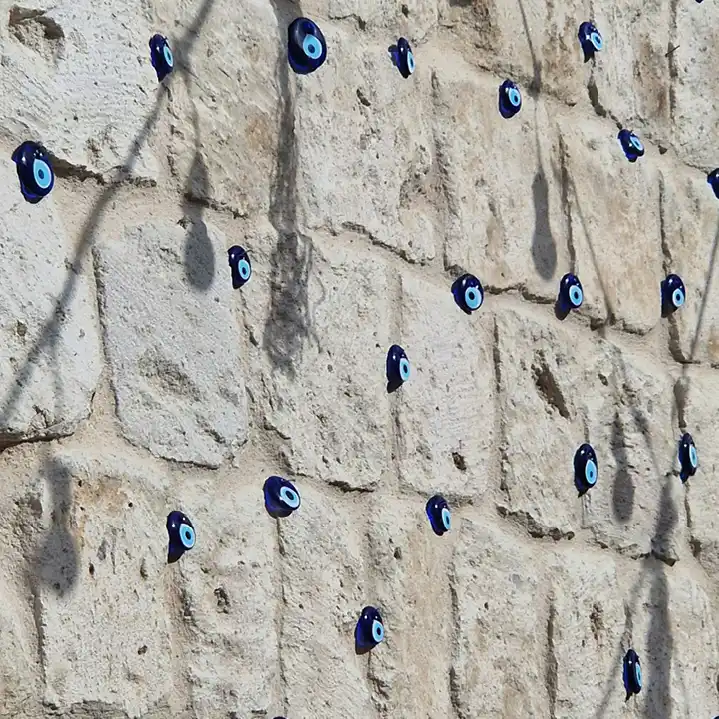
- Istanbul and The Basilica Cistern: hidden under the city, it is a masterpiece of engineering. Built in the 6th century, its mystical environment includes decorated columns and a famous Medusa head, adding a touch of mystery to its fascinating history.


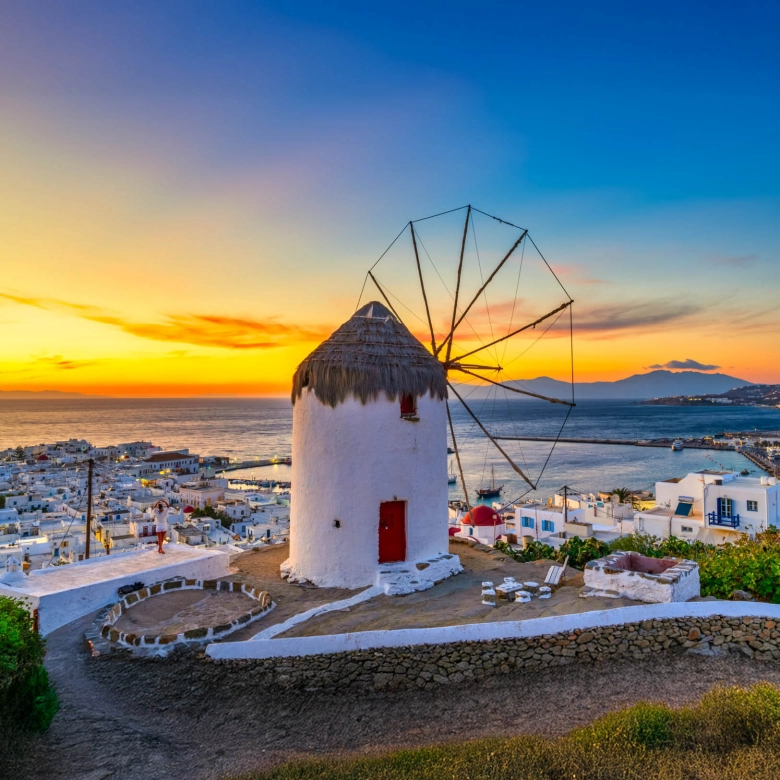
- Mykonos: The island is famous for its resident "pelicans." Petros, the original pelican, became the mascot of Mykonos in the 50s. Today, his descendants walk freely, enchanting tourists and symbolizing island life.


- Florence: The dome of the Cathedral of Florence, designed by Brunelleschi, was an architectural feat in the 15th century. With 45 meters in diameter, it is the largest brick dome without support, and climbing to its top offers impressive views of the city.
What itineraries does Cunard offer to the Mediterranean from or to England?

Cunard offers cruises departing from Southampton that explore different areas of the Mediterranean, with itineraries covering Spain, Portugal, Italy, France, the Greek Islands and Turkey. There are also one-way voyages ending in Southampton, as well as longer journeys combining several Mediterranean regions.


Which Cunard ships sail to the Mediterranean from Southampton?

Depending on the season and itinerary, several Cunard ships operate Mediterranean voyages from Southampton. These include Queen Anne, Queen Elizabeth, Queen Victoria and Queen Mary 2, offering a range of journey lengths and routes.


What is the main language spoken on Cunard cruises from Southampton?

The language of guest services can vary depending on the sailing and the services available. On selected departures marketed in Spain, Spanish-language assistance may be available, so it is worth checking the specific services included with your cruise before booking.


Which destinations can I visit on a Cunard cruise from Southampton to the Mediterranean?

Depending on the itinerary, you can visit destinations such as Lisbon, Barcelona, Málaga, Cádiz, Cartagena, Palma de Mallorca, Rome, La Spezia, Marseille, Gibraltar and the Greek Islands. Some longer routes also travel as far as Turkey, including Istanbul and Kusadasi.


Can I take a round-trip cruise from Southampton?

Yes. Cunard offers round-trip itineraries departing from Southampton and returning to the same port after visiting a selection of Mediterranean destinations. One-way cruises are also available between Southampton and ports such as Barcelona, Civitavecchia or Istanbul.

What can I enjoy on board during sea days?

Sea days give you time to enjoy the Cunard experience without going ashore, with restaurants, shows, live music, pools and a range of activities. You can also enjoy the traditional afternoon tea, attend Cunard Insights talks or simply relax in the ship's elegant public spaces.

How long can cruises from Southampton to the Mediterranean last?

Journey length depends on the route and the regions included. Some itineraries last around 15 days, while longer voyages can run for 20, 27, 30 or even more than 40 days, combining the Mediterranean with the Greek Islands and the Adriatic.

Do you have any questions about this cruise?

Contact us and we will guide you in everything you need.
We call you
Send question