+34 912901845 +34 654503682

$message.operated_by, $message.partner

Cruises through the

Norwegian Fjords

HISTORY

History

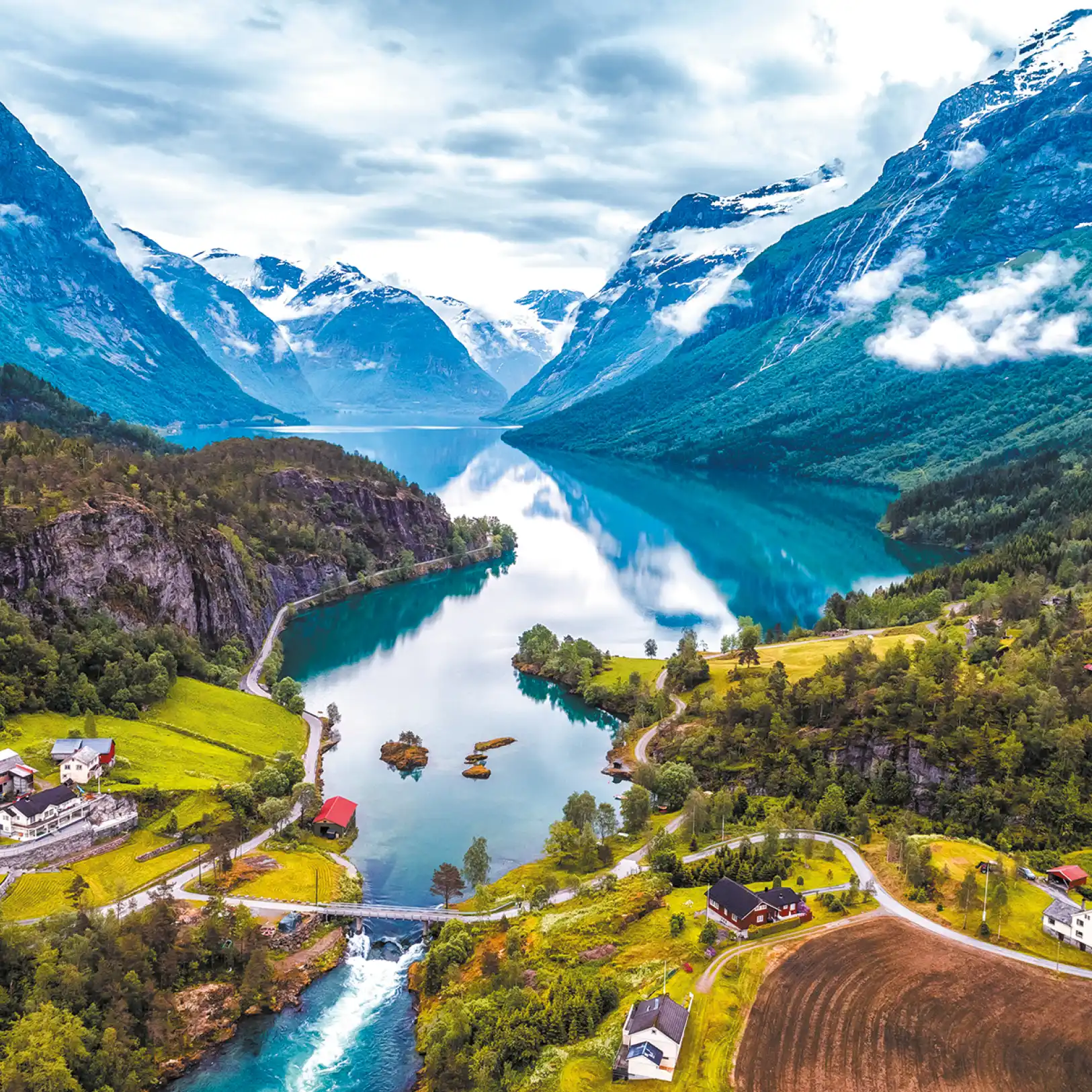
The history of the Norwegian fjords dates back to the glaciation era, when gigantic glaciers shaped the coastal landscape of Norway.


About 10,000 years ago, the thaw left deep grooves in the rock, forming the impressive fjords that we know today. Since the Middle Ages, these fjords have been vital for local life, serving as routes for trade and fishing. Fishing villages arose on their shores, where culture and maritime tradition flourished.


During the 19th century, the fjords began to attract tourists, becoming a popular destination for explorers and painters. Today, they are recognized as World Heritage for their natural beauty and cultural value.

FOOD

Food

The food in the Norwegian fjords is characterized by its freshness and the use of local ingredients. Seafood takes center stage, highlighting salmon, cod, and crabs, which can be tasted in restaurants along the coast. The fishing traditions of the local villages influence the gastronomy, offering dishes like the lutefisk" y el "rakfisk". Additionally, reindeer and lamb meat are common in the nearby mountains. Many restaurants also present a focus on sustainable cuisine, using organic products and traditional recipes that reflect the rich culture and heritage of the region.

THE MOST VISITED PORTS

The most visited ports

On a cruise through the Norwegian fjords, you can explore iconic destinations such as:


- Flåm, a picturesque village that offers the famous Flåm train, with spectacular views of the fjords.
- Bergen, known as the gateway to the fjords, famous for its old town of Bryggen and its vibrant cultural life.
- Stavanger, which combines history with beautiful landscapes, and is the starting point for visiting the famous Pulpit Rock.
- Skjolden, considered the village closest to the highest point in Norway, ideal for enjoying nature.
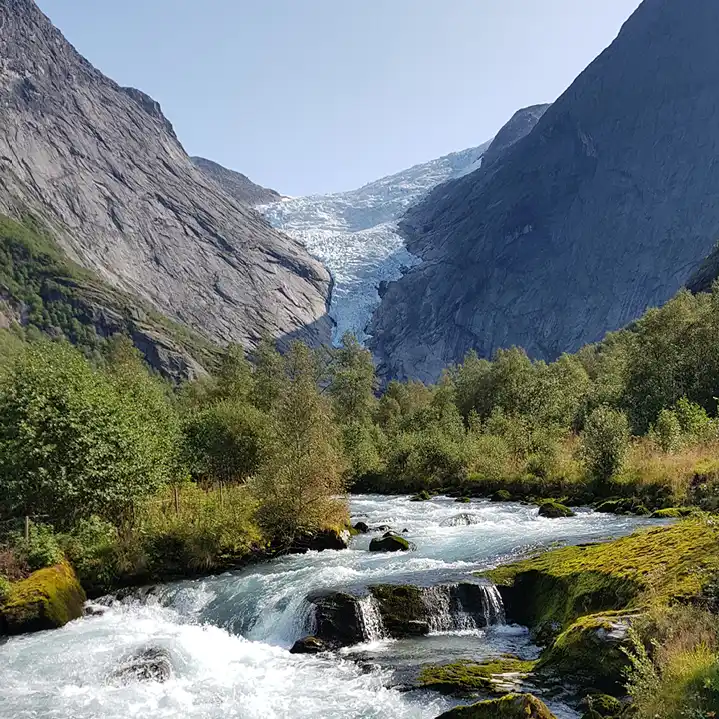
- Olden, famous for its glaciers and mountainous landscapes, perfect for outdoor activities and exploring natural beauty.

weather

Weather

The climate in the Norwegian fjords is variable, with cold winters and cool summers. Temperatures can drop to -5°C in winter and reach up to 20°C in summer. It is recommended to dress in layers, wear waterproof clothing, and be prepared for sudden changes in the weather, especially in mountainous areas.

CURRENCY

Currency

The currency in the Norwegian fjords is the Norwegian krone (NOK). Credit and debit cards are widely accepted in restaurants, hotels, and shops, facilitating transactions for tourists. However, it is advisable to carry some cash for small establishments or activities in remote areas. ATMs are common and allow for easy withdrawal of kroner, ensuring that visitors have access to cash when they need it.

CURIOSITIES

Curiosities

- Active glaciers: Norwegian fjords host several active glaciers, such as Jostedalsbreen, the largest glacier in Europe. Tourists can take excursions to see these enormous masses of ice up close and learn about their formation and the impact of climate change.


- The path of Pulpit Rock: Pulpit Rock (Preikestolen) is one of the most iconic rock formations in Norway, with a platform 604 meters above the Lysefjord. The hike to the top is popular and offers spectacular views, attracting adventurers from all over the world.


- Viking history in Haugesund: Haugesund, known as the "viking capital", celebrates its rich history through festivals and museums dedicated to this era. Visitors can explore the Viking Center and learn about the life and customs of the vikings.


- Spectacular waterfalls: The fjords are adorned with numerous waterfalls, such as the famous "Seven Sisters" in Geirangerfjord. These waterfalls fall from vertical cliffs and are an impressive sight, especially during the thaw in spring.


- Bergen and its fish market: Bergen, known as the gateway to the fjords, houses a famous fish market where visitors can taste fresh seafood and local dishes. It is an ideal place to try cod, salmon, and other seafood products.


- Fjords in winter: Although most tourists visit the fjords in summer, the winter season offers a magical experience. Activities such as skiing, dog sledding, and watching northern lights are popular, transforming the landscape into a true fairy tale.
What itineraries does Cunard offer in the Norwegian Fjords?

Cunard offers a range of itineraries through the Norwegian Fjords, from shorter voyages of around seven nights to longer journeys combining several destinations in Norway. Routes may include scenic cruising through the fjords and calls at destinations such as Bergen, Stavanger, Ålesund, Olden and Skjolden.

Which Cunard ships sail in the Norwegian Fjords?

The programme can vary depending on the season and departure date. Cunard offers itineraries in this region aboard different ships in its fleet, including Queen Anne, Queen Mary 2 and Queen Victoria, depending on the available route.

Which fjords and destinations can I visit on a Cunard cruise?

Depending on the itinerary, you may visit destinations such as Bergen, Ålesund, Stavanger, Olden, Skjolden, Trondheim and Molde. Some routes also include scenic cruising through fjords such as Hardangerfjord, Sognefjord and Nordfjord.

What can I do during Norwegian Fjords port calls?

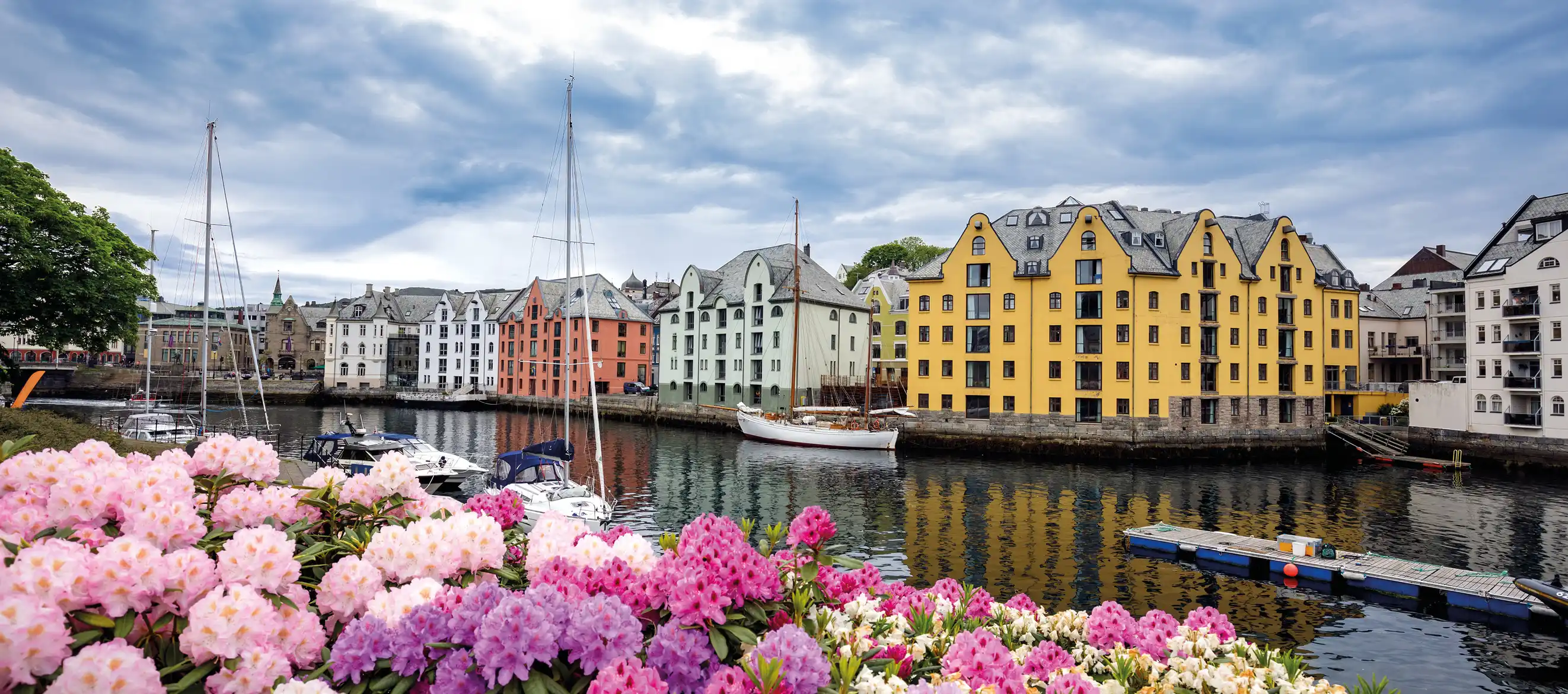
Port calls offer the opportunity to discover towns and cities surrounded by spectacular natural scenery. You can visit viewpoints and waterfalls, explore mountain landscapes or join excursions to discover the fjords. In cities such as Bergen and Ålesund, you can also experience local architecture, culture and cuisine.

What does scenic cruising through the fjords mean?

Scenic cruising allows you to experience some of Norway's most spectacular landscapes directly from the ship, without needing to go ashore. As the ship sails through the fjords, you can enjoy views of mountains, waterfalls, small villages and dramatic natural scenery from the decks and public spaces.

When is the best time to take a Norwegian Fjords cruise?

The Norwegian Fjords cruise season generally takes place between spring and early autumn. During these months, days are longer and temperatures are often more pleasant for enjoying port calls and outdoor scenery, although each time of year offers a different experience.

What can I enjoy on board Cunard during a Norwegian Fjords cruise?

Sea days are a great opportunity to enjoy the Cunard experience. On board, you can find restaurants, shows, live music, pools and a variety of activities, as well as the traditional afternoon tea and Cunard Insights talks. All of this can be enjoyed while taking in Norway's spectacular scenery.

Do you have any questions about this cruise?

Contact us and we will guide you in everything you need.
We call you
Send question