
+34 912901845 +34 654503682

$message.operated_by, $message.partner

Transatlantic Cruises

HISTORY

History

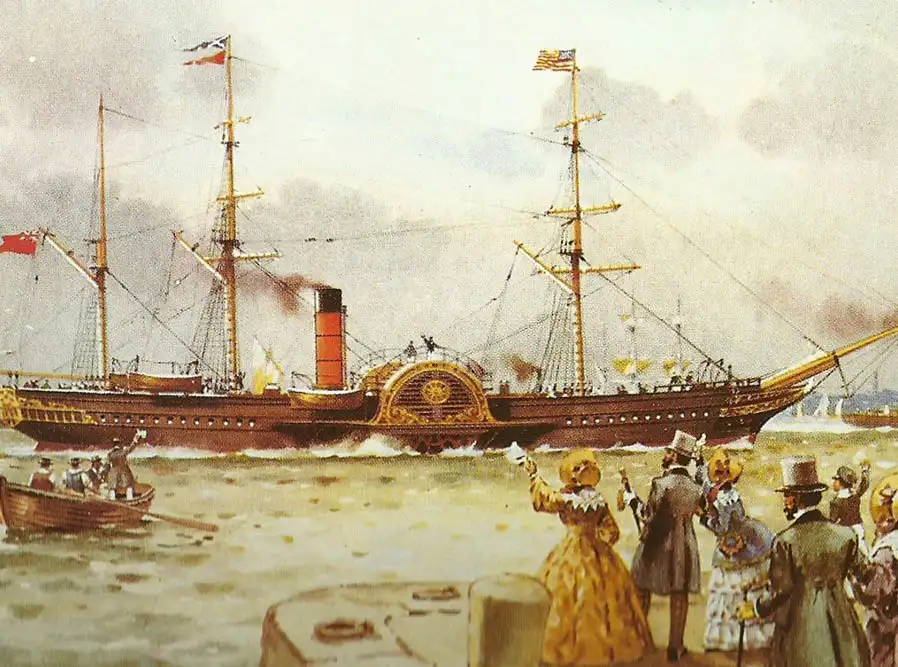
The history of transatlantic crossings dates back to the 19th century, when large steamships began to connect Europe and America on a regular basis. These routes boosted trade, facilitated emigration and became a symbol of maritime progress. During much of the 20th century, ocean liners were the primary means of crossing the Atlantic. Today, these crossings have evolved into a unique cruise experience, where tradition, comfort and navigation come together to offer an unforgettable journey.

FOOD

Food

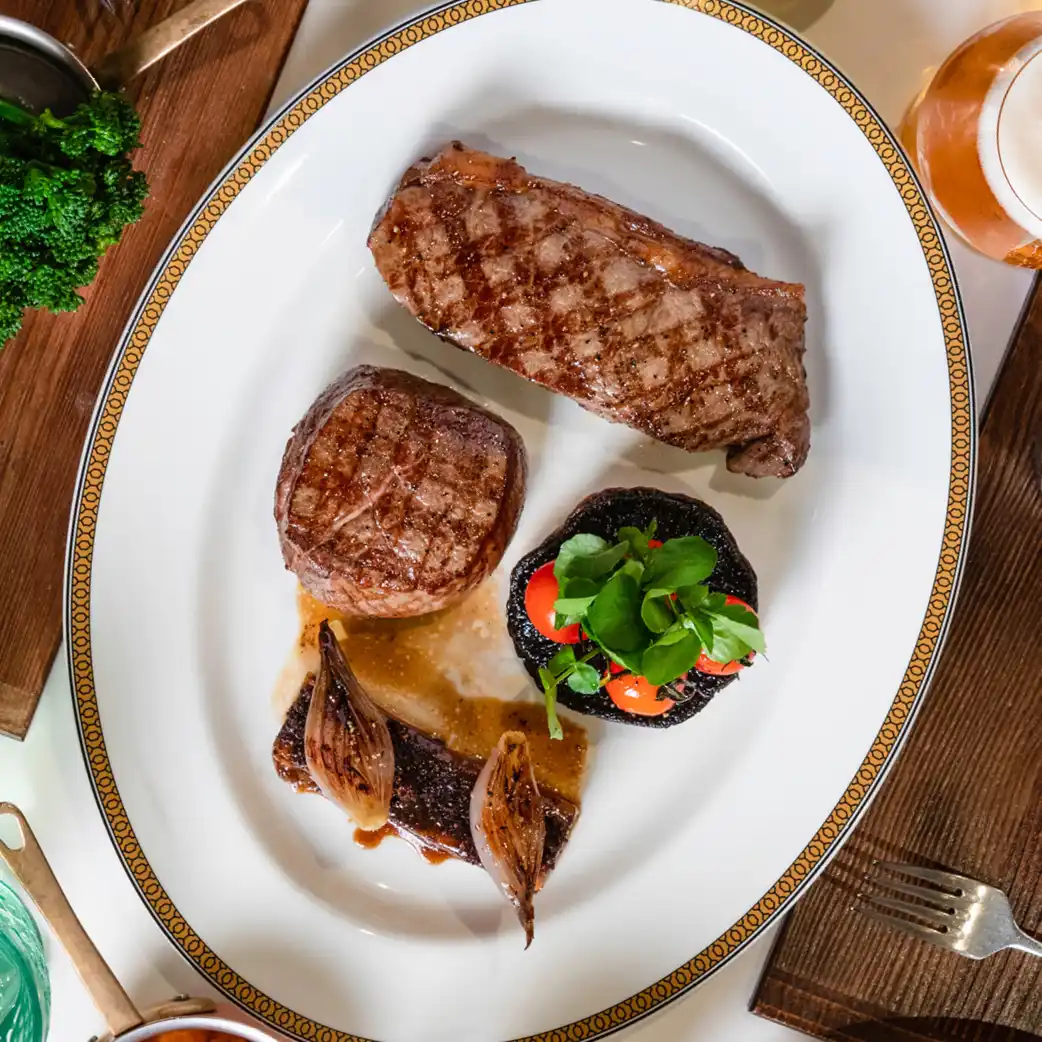
Gastronomy on a transatlantic cruise combines the culinary tradition of Europe and America with a wide gastronomic offer on board. During the crossing, passengers can enjoy specialty restaurants, international buffets and menus prepared with high quality products. A varied culinary experience that turns every meal into one of the great pleasures of the trip.

THE MOST PROMINENT PORTS

The most prominent ports

On a transatlantic crossing you will be able to discover some of the most emblematic ports on both sides of the Atlantic, among them:

  • New York, with its unmistakable skyline, the Statue of Liberty and the charm of Manhattan.
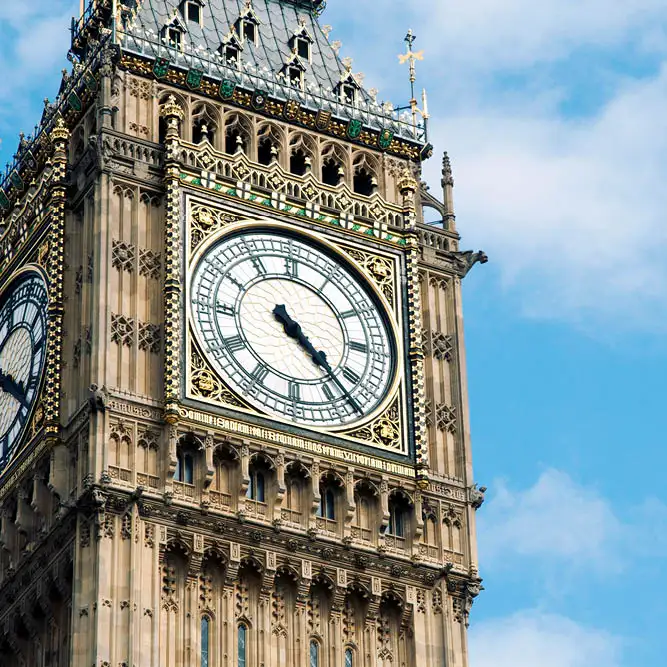
  • Southampton, the historic port and gateway to the south of England.
  • Hamburg, a vibrant port city with a rich maritime tradition and an impressive architectural heritage.
  • Cherbourg, on the coast of Normandy, known for its naval history and its elegant French atmosphere.
  • Halifax, in Canada, where British heritage, the waterfront and the landscapes of Nova Scotia create an unforgettable stopover.

Each port offers a unique combination of history, culture and maritime tradition, making transatlantic crossings an experience as enriching as it is memorable.

WEATHER

Weather

The weather on a transatlantic crossing varies depending on the time of year and the itinerary. During navigation it is common to enjoy mild temperatures, although on the high seas nights can be cooler and the wind more intense. It is recommended to bring comfortable clothes for the day, some warm clothing and suitable footwear to enjoy both the stopovers and life on board.

CURRENCY

Currency

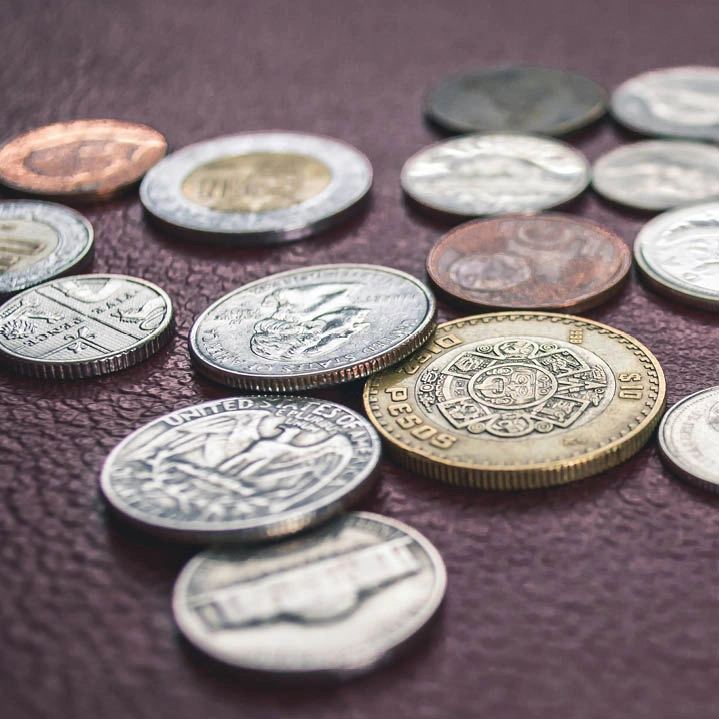
The currency on a transatlantic crossing will depend on the countries visited, it is common to use the euro (EUR), the British pound (GBP), the United States dollar (USD) or the Canadian dollar (CAD). Credit cards are widely accepted both on board and in most destinations, although it is recommended to carry some cash for small purchases or expenses during stopovers.

Additionally, some countries require local currency to be used, so check before traveling.

CURIOSITIES

Curiosities

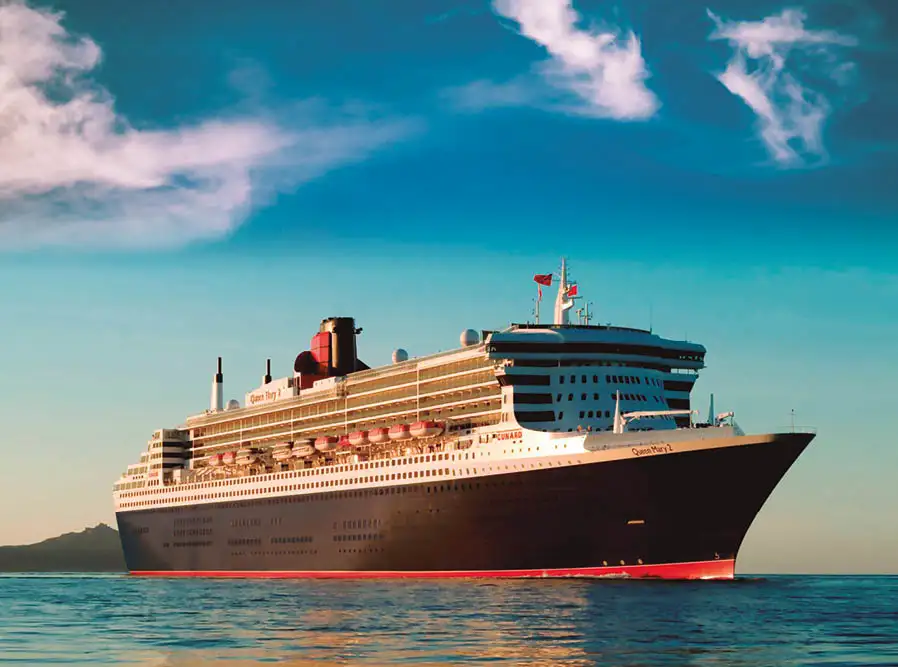
- The Queen Mary 2 is the only large ocean liner designed specifically to perform regular crossings between Europe and North America, keeping alive a century-old tradition.


- The Southampton–New York route is one of the most famous in maritime history. For more than a century it has been traveled by millions of travelers, including personalities, artists and members of royalty.


- More than a cruise: transatlantic crossings were born as a means of transport between continents and, over time, evolved to become an experience of leisure and luxury.


- Days of navigation: unlike other itineraries, transatlantic crossings have several consecutive days at high sea, ideal for enjoying all the facilities, shows and restaurants of the ship.

Do you have any questions about this cruise?

Contact us and we will guide you in everything you need.
We call you
Send question